women centered reentry support
Restorative Reentry for Women & Femme-Identifying People
Creating safety, belonging, and leadership after incarceration.
Our Mission
Be Free Foundation supports women and femme-identifying people returning home from incarceration to move from survival to stability, healing, and leadership.
We believe sustainable reentry requires more than compliance with systems. It requires housing and resources, healing-centered community, restorative accountability, and opportunities to reclaim identity and purpose. Our work is grounded in lived experience and designed to address the gender-specific harms that shape women’s pathways into and out of incarceration.
Through housing and resources, trauma-informed lived-experience mentoring, Freedom Circles, and leadership development, Be Free creates restorative pathways that support long-term transformation.
What Makes BE FREE Different?
Restorative, not compliance-driven. We don’t focus solely on checklists or short-term outcomes. Our approach centers healing, accountability, and long-term stability through relationships and community.
Women- and femme-centered by design Our programs are created specifically for women and femme-identifying people and respond to the gender-based harms experienced during incarceration and reentry.
Belonging as a foundation for safety Freedom Circles and community connection reduce isolation and strengthen stability during the reentry process.
From healing to leadership. We support participants not only to heal, but to step into mentorship and leadership roles rooted in lived experience.
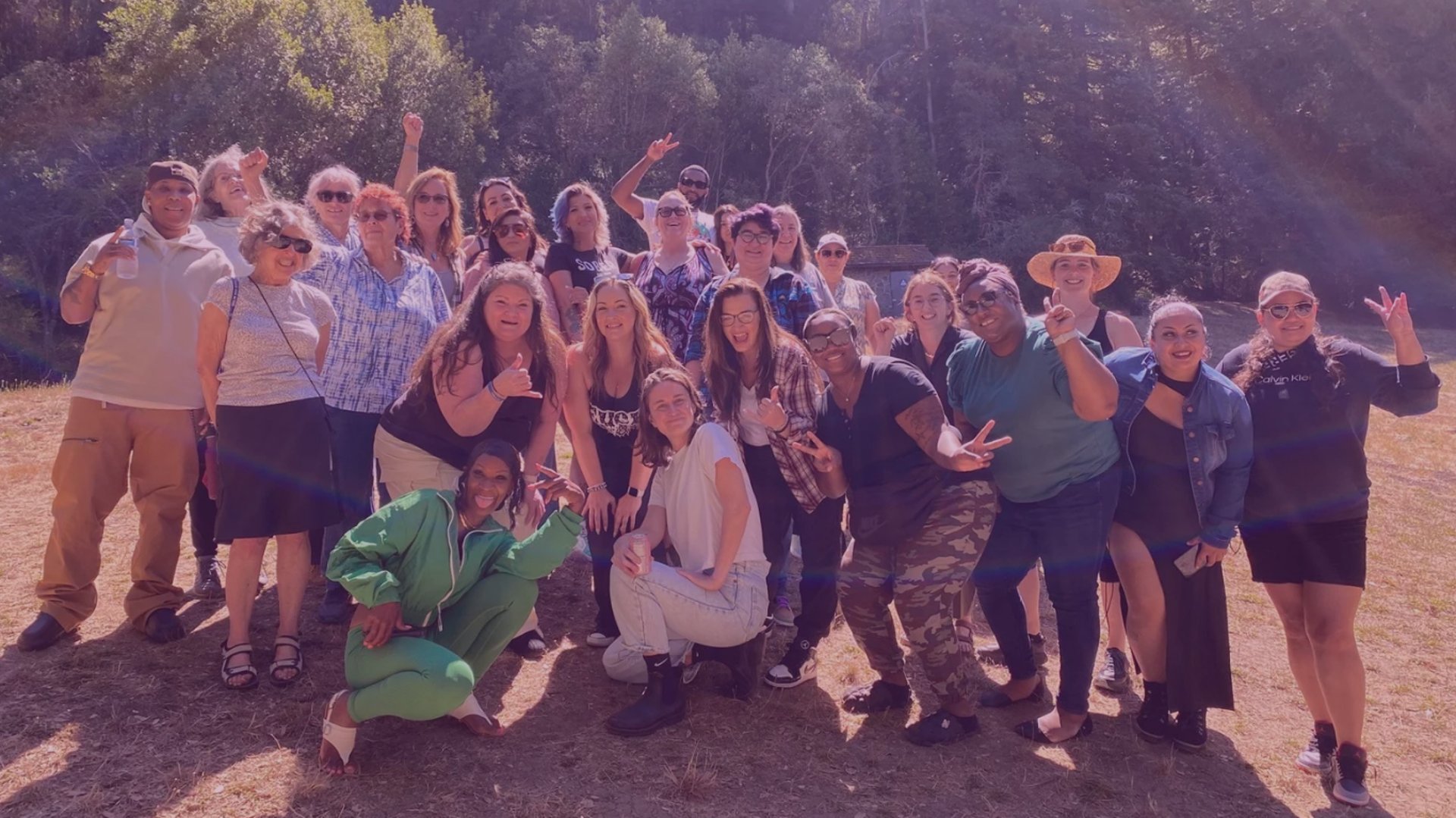
Be Free Foundation was created by women who have survived trauma, incarceration, and the gender-based barriers that often stand in the way of successful reentry. Drawing from lived experience, we built a restorative reentry model that addresses what traditional systems frequently overlook: safety, belonging, healing, and the opportunity to lead.
Be Free Pathways
Be Free Pathways is a restorative reentry model designed to support women and femme-identifying people through three connected phases: stabilization, healing, and leadership. Each program builds on the one before it, creating a clear and supportive pathway home.
Be Free Pathways
Be Free Foundation offers a clear, supportive pathway for women returning from incarceration. Our work happens in three connected stages – each meeting women where they are and walking alongside them as they move forward.
Women can enter the pathway at different points depending on their needs, timing, and readiness. Together, these programs support women as they move from surviving, to healing, to leading.
Walk with me
Stabilization and lived-experience.
mentoring
Walk With Me supports women during the earliest and most vulnerable phase of reentry. Participants are paired with trauma-informed mentors who have lived experience and understand reentry firsthand. Mentors walk alongside participants to reduce overwhelm, build trust, and support early stability.
This phase focuses on safety, consistency, and relationship, and includes access to housing and resources, one-on-one mentoring, and introduction to Freedom Circles to reduce isolation and build belonging.
heal to rise
Healing and Freedom Circles.
Heal to Rise centers healing, accountability, and community through Freedom Circles – facilitated restorative spaces created specifically for women and femme-identifying people.
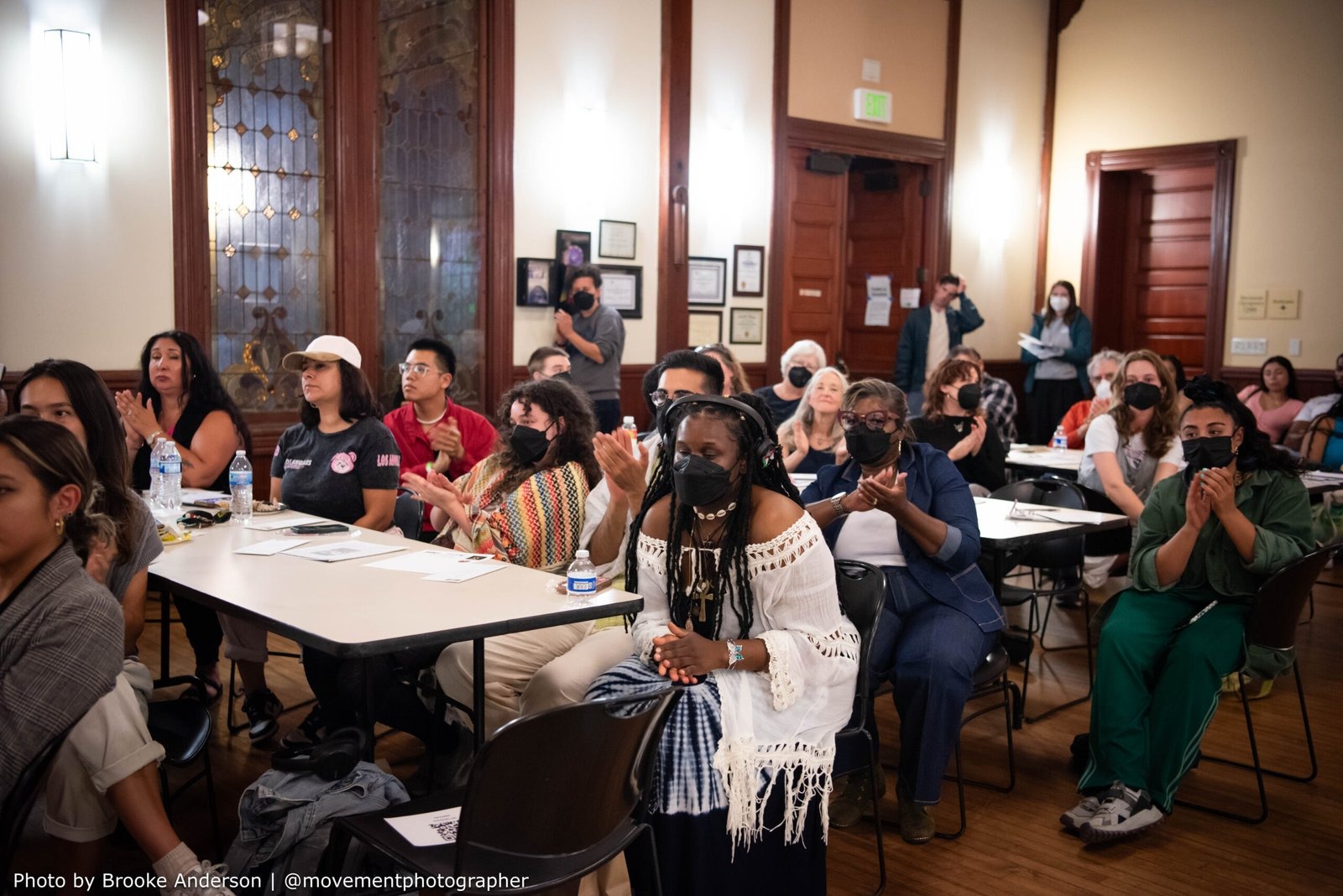
Freedom Circles provide a consistent environment where participants can process harm, rebuild trust, and reconnect with their values. Guided by restorative questions, circles support healing without shame and accountability without punishment, while strengthening belonging and self-worth.
restore to lead
Leadership development and peer mentorship.
Restore to Lead creates pathways for women to step into leadership once stability and healing are established. Participants receive training in restorative practices, facilitation, and peer mentorship, transforming lived experience into community leadership.
This phase supports women to become mentors, co-facilitators, and leaders - strengthening both individual growth and the broader reentry community.